
AI in Medical Gadgets: How Laboratory Innovations Are Becoming Consumer Health Tools
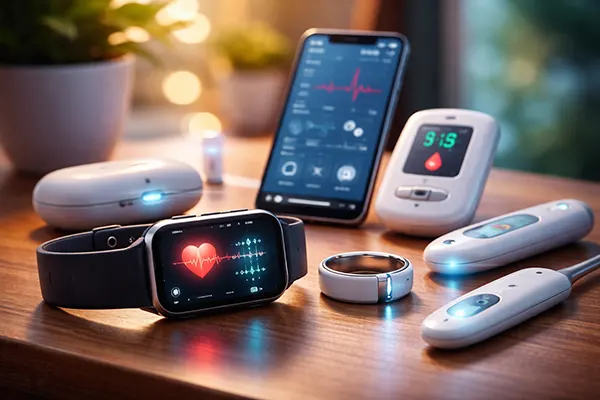
Artificial intelligence has gradually moved from experimental medical laboratories into everyday consumer electronics. Devices that were once limited to clinical research environments are now embedded in wearable gadgets, smart sensors and home monitoring equipment. By 2026, AI-driven health features are increasingly integrated into devices designed for personal wellbeing, early diagnostics and long-term monitoring of chronic conditions. These tools analyse large volumes of physiological data in real time and transform complex medical metrics into understandable feedback for users and healthcare professionals.
How AI Moves from Clinical Research to Consumer Electronics
Many AI technologies used in consumer medical gadgets originate from hospital research programmes. Universities and biomedical companies first train algorithms on clinical datasets such as ECG recordings, sleep studies or imaging scans. Once validated, simplified versions of these models are adapted for wearable sensors and personal monitoring devices.
Advances in mobile processors and edge computing have made it possible to run machine learning models directly on compact devices. This reduces the need to send sensitive health data to remote servers and allows continuous monitoring without noticeable delays. As a result, consumer gadgets can analyse heart rhythms, respiratory patterns or blood oxygen levels locally.
Regulatory frameworks have also influenced the transfer of laboratory technology into consumer products. Organisations such as the FDA in the United States and the European Medicines Agency increasingly provide guidance on AI-assisted diagnostic tools. These standards help manufacturers adapt research algorithms for safe use in personal health devices.
From Clinical Algorithms to Wearable Sensors
One of the most visible examples of this transition is AI-based heart rhythm analysis in smartwatches. Clinical research on electrocardiogram interpretation trained algorithms capable of detecting arrhythmias such as atrial fibrillation. Consumer wearables now integrate simplified ECG sensors combined with machine learning models that analyse heart signals in seconds.
Sleep analysis is another area where laboratory studies influenced consumer technology. Originally, sleep laboratories relied on complex polysomnography systems. Today, AI-powered wearables use motion sensors, pulse data and oxygen measurements to estimate sleep stages and identify irregular breathing patterns that may indicate sleep disorders.
These devices do not replace medical diagnostics, but they help detect patterns that encourage users to seek professional evaluation. Early alerts generated by AI systems may identify potential health issues long before symptoms become noticeable.
Key Health Functions Powered by AI in Modern Gadgets
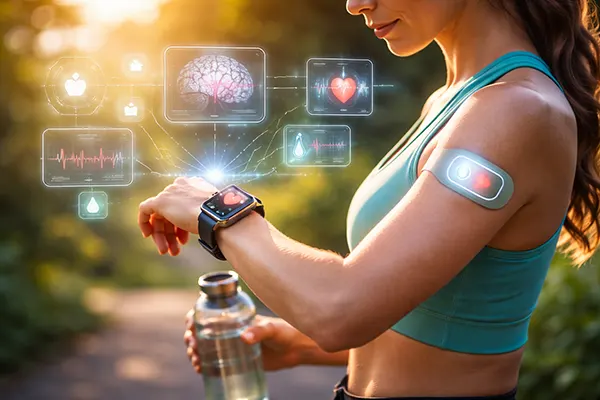
By 2026, several AI-powered capabilities have become common in consumer medical gadgets. Continuous heart monitoring remains one of the most widely used features. Smart devices analyse pulse irregularities, heart rate variability and long-term trends to provide insights into cardiovascular health.
Another rapidly developing function is blood oxygen analysis combined with respiratory monitoring. Wearables equipped with optical sensors measure oxygen saturation and detect patterns linked to respiratory conditions. AI models interpret these signals and notify users when unusual trends appear.
Temperature monitoring and metabolic tracking have also advanced significantly. AI algorithms evaluate variations in skin temperature, physical activity and sleep behaviour to estimate recovery, stress levels and possible early signs of infection.
Predictive Health Monitoring
Predictive analytics is becoming a central component of consumer health technology. Instead of reporting isolated measurements, AI systems analyse long-term data patterns to identify deviations from a person’s typical physiological behaviour. This approach allows devices to generate early warnings about potential health risks.
For instance, some wearables now analyse subtle variations in heart rate variability and sleep patterns to estimate stress accumulation or fatigue. When combined with activity levels and temperature data, algorithms can recognise physiological changes linked to illness or overtraining.
In chronic disease management, predictive monitoring can assist individuals with conditions such as diabetes or hypertension. AI-enabled sensors track daily trends and provide reminders or alerts when measurements suggest that medical advice may be needed.
Challenges and Safety Considerations for AI Medical Gadgets
Despite rapid innovation, AI-driven health devices must meet strict reliability standards. Medical algorithms require extensive validation to ensure that recommendations are based on accurate interpretations of physiological data. Manufacturers must continuously update models as new research findings emerge.
Data privacy is another significant challenge. Personal health information collected by wearables includes highly sensitive biometric data. Many modern devices process this information directly on the device using edge AI systems to minimise data transmission and reduce privacy risks.
Another concern involves user interpretation of automated feedback. While AI can identify patterns in large datasets, it cannot replace medical professionals. Experts emphasise that consumer gadgets should provide guidance and alerts rather than final diagnoses.
The Future of AI-Enabled Personal Healthcare
The next generation of medical gadgets is expected to include more advanced biosensors capable of analysing biochemical markers such as glucose, hydration levels or stress-related hormones. Researchers are exploring non-invasive optical techniques that could eventually allow continuous metabolic monitoring.
Artificial intelligence will also improve personalisation. Algorithms trained on long-term health data may adapt recommendations to individual lifestyles, genetic predispositions and environmental conditions. This approach could make preventive healthcare more accessible outside clinical settings.
As regulatory frameworks evolve and sensor technology improves, consumer devices may become an important bridge between everyday health monitoring and professional medical care. AI-powered gadgets will not replace physicians, but they can provide valuable information that supports earlier detection, more informed consultations and better long-term health management.
Popular articles
-
 Digital Twins of Cities and Factories: How...
Digital twins have moved from experimental engineering tools to practical systems used …
Learn more -
AI in Medical Gadgets: How Laboratory Inno...
Artificial intelligence has gradually moved from experimental medical laboratories into everyday consumer …
Learn more -
 Recycling Lithium and Critical Metals: How...
In 2026, Europe’s approach to lithium and critical metals is no longer …
Learn more